CACI Ultimate Face and Body Treatments

Fit n Well CACI treatments

Looking younger has never been easier with CACI Ultimate face & body treatments!

Fit n Well in Stone, Staffordshire offering a range of CACI Ultimate treatments. 

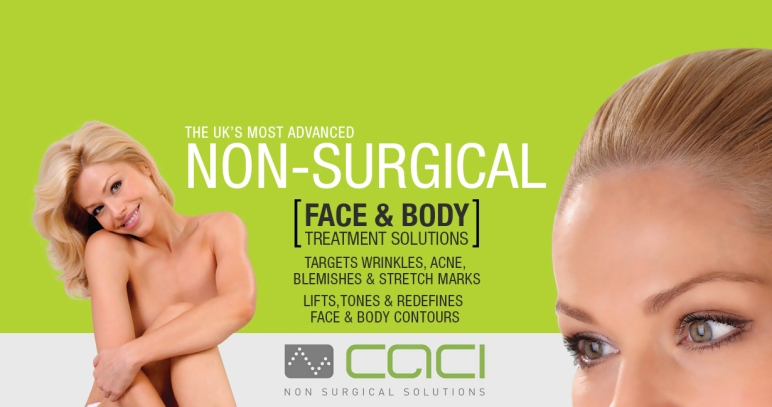
CACI Non-Surgical SolutionsWe offer the most advanced range of CACI non-surgical, non-invasive solutions to treat and prevent the tell-tale signs of ageing and problematic skin conditions, appealing to both female and male clients.

Now it’s easy to smooth and plump lines and wrinkles, firm sagging skin and lift and tone facial muscle such as sagging jowls and tired droopy eyes. We can improve the appearance of skin blemishes, pigmentation, age spots and scarring and offer specialised treatments to deal with problematic skin conditions such as acne and eczema. We also offer effective body treatments for toning, cellulite and stretch marks.

Try the CACI award winning treatments for instant results and dramatic improvements through a course of treatments and it won’t be long before friends and family start commenting on how fabulous you look!

Browse our fantastic range of CACI Ultimate aesthetic treatments below to find out how CACI can help you.

To book an appointment or for any further information please call Maria on 07977 427644

or email Fit n Well, Stone, Staffordshire.


CACI Face Treatments

Non-Surgical Facelift 
CACI Non-Surgical Facelift – 1hour

Anti-Aging Facial
CACI Ultimate Anti-Aging Facial – 1 hour 30 mins

Microdermabrasion
CACI Ultimate Crystal Free Microdermabrasion/Booster Facial – 45 mins

Hydrating Facial 
CACI Hydratone Facial – 20 mins

Non-Surgical Eye Lift 
CACI Ultimate Non-Surgical Eye Lift – 40 mins

Jowl Lift  
CACI Jowl Lift Treatment – 15 mins

Deep Wrinkle Treatment
CACI Wrinkle Revolution (Deep Wrinkle Treatment) – 20 mins

Acne Treatment 
CACI Active Acne Treatment – 25 mins

Reduce Blemished Skin  
CACI Healing/Blemish Fix Treatment – 30 mins

Instant Plump Lips
CACI Lip Plump/Party Pout – 10 mins


CACI Body Treatments

Cellulite Treatment 
CACI Electro-Cellulite Massager Treatment (ECM)

Scarring/Stretch Marks 
CACI Scarring and Stretch Marks Treatment – 30 mins

Hand Rejuvenation
CACI Ultimate Hand Treatment – 30 mins


CACI Body Sculpting

Stomach Treatment 
CACI Stomach Treatment – 30 mins

Bust Enhancing Treatment 
CACI Bust Enhancing Treatment – 30 mins

Legs and Buttocks 
CACI Legs and Buttocks


CACI Ultimate at Fit n Well, StoneCACI at Fit n Well

The CACI Ultimate system uses the most advanced and sophisticated technology in non-surgical aesthetic solutions ensuring optimal results.

Only genuine CACI products are used in our treatments and CACI protocols are strictly followed by our fully CACI trained therapists.

Fit n Well offers a friendly and professional service at all times in a pleasant, comfortable and relaxing environment. We ensure the strictest client confidentiality at all times.


To book an appointment or for any further information please call Maria on 07977 427644

or email Fit n Well, Stone, Staffordshire.

Watch out for the latest offers and news.

The Importance of Cooling Down

The Importance of Cooling Down - Fit n Well, Stone, Staffordshire

Cool down, recover faster and avoid injury

Can’t be bothered?  Feel too tired?  What’s the point?

Most of us at times are guilty of not making the effort to cool down effectively and efficiently after a sporting event, strenuous exercise or training.

Cooling down is as important as warming up – if you want to stay injury free then do it!

Below is an interesting read written by Training Coach Brad Walker; reminding us and explaining why it is important to undertake a cool down program after training and competition.

Article by Brad Walker (Training Coach)

Many people dismiss the cool down as a waste of time, or simply unimportant. In reality the cool down is just as important as the warm up, and if you want to stay injury free, it is vital. Although the warm up and cool down are just as important as each other, they are important for different reasons. While the main purpose of warming up is to prepare the body and mind for strenuous activity, cooling down plays a different role.

Why Cool Down?

The main aim of the cool down is to promote recovery and return the body to a pre exercise, or pre work out level. During a strenuous work out your body goes through a number of stressful processes e.g. muscle fibres, tendons and ligaments get damaged, and waste products build up within your body.

The cool down, performed properly, will assist your body in its repair process. One area the cool down will help with is “post exercise muscle soreness.” This is the soreness that is usually experienced the day after a tough work out. Most people experience this after having a lay-off from exercise, or at the beginning of their sports season. I remember running a half marathon with very little preparation, and finding it difficult to walk down steps the next day because my quadriceps were so sore. That discomfort is “post exercise muscle soreness.”

This soreness is caused by a number of things. Firstly, during exercise, tiny tears called micro tears develop within the muscle fibres. These micro tears cause swelling of the muscle tissues which in turn puts pressure on the nerve endings and results in pain.

Secondly, when exercising, your heart is pumping large amount of blood to the working muscles. This blood is carrying both oxygen and nutrients that the working muscles need. When the blood reaches the muscles the oxygen and nutrients are used up. Then the force of the contracting (exercising) muscles pushes the blood back to the heart where it is re-oxygenated.

However, when the exercise stops, so does the force that pushes the blood back to the heart. This blood, as well as waste products like lactic acid, stays in the muscles, which in turn causes swelling and pain. This process is often referred to as “blood pooling.”

So, the cool down helps all this by keeping the blood circulating, which in turn helps to prevent blood pooling and also removes waste products from the muscles. This circulating blood also brings with it the oxygen and nutrients needed by the muscles, tendons and ligaments for repair.

The Key Parts of an Effective Cool Down

Now we know what the cool down does and why it is so important, let us have a look at the structure of an effective cool down. There are three key elements, or parts, which should be included to ensure an effective and complete cool down. They are;

  • Gentle exercise
  • Stretching
  • Re-fuel

All three parts are equally important and any one part should not be neglected or thought of as not necessary. All three elements work together to repair and replenish the body after exercise. To follow are two examples of effective cool downs. The first is an example of a cool down used by a professional athlete. The second is typical of someone who simply exercises for general health, fitness and fun.

Cool Down Routines

Example 1 – For the Professional

  • 10 to 15 minutes of easy exercise. Be sure that the easy exercise resembles the type of exercise that was done during your work out. For example, if your workout involved a lot  of running, cool down with easy jogging or walking.
  • Include some deep breathing as part of your easy exercise to help oxygenate your system.
  • Follow with about 20 to 30 minutes of stretching. Static stretching and PNF stretching is usually best.
  • Re-fuel. Both fluid and food are important. Drink plenty of water, plus a good quality sports drink. The best type of food to eat straight after a work out is that which is easily digestible. Fruit is a good example.

Example 2 – For the Amateur

  • 3 to 5 minutes of easy exercise. Be sure that the easy exercise resembles the type of exercise that was done during your work out. For example, if your workout involved a lot of running, cool down with easy jogging or walking.
  • Include some deep breathing as part of your easy exercise to help oxygenate your system.
  • Follow with about 5 to 10 minutes of stretching. Static stretching and PNF stretching is usually best.
  • Re-fuel. Both fluid and food are important. Drink plenty of water, plus a good quality sports drink. The best type of food to eat straight after a work out is that which is easily digestible. Fruit is a good example.

Getting serious about your cool down and following the above examples will make sure you recover quicker from your work outs, and stay injury free.

References:

  • WALKER, B. (2007) Cool down – recover faster and avoid injury. Brian Mackenzie’s Successful Coaching, (ISSN 1745-7513/ 46/ October), p. 4
 

Further enhance your recovery with post-event sports massage!

Fast recovery is the primary purpose of post-event massage.  After pushing yourself to the limits a sports massage will soothe and ease fatigued muscles and prevent DOMS (delayed onset muscle soreness).  It will assist a pain free recovery and return you to training with minimal soreness, inflammation and stiffness.

Click the link to find out how post-event sports massage can help further your recovery – Sports Massage (link)

Fit n Well provides Sports Massage, Stone, Staffordshire.


Pre-Event and Post-Event Sports Massage

Pre-event and post-event sports massage

Pre-Event and Post-Event Sports Massage

You spend days, weeks, months and even years training hard preparing for your sporting event and you have the attitude, dedication and determination it takes to achieve your goals.

You maybe trying to improve on last year’s time, be playing to win or just wanting to achieve your own personal goal.

Are you doing everything possible to achieve your optimal performance?

Pre-event and post-event sports massage will help you to perform at your optimal level!

The popularity and importance of pre and post-event massage is continuously increasing as more athletes are becoming aware of the physiological and psychological benefits. Sports massage is an effective addition to any training schedule regardless of whether you are a runner, triathlete, or any other sporting person.

Firstly what is Sports Massage?

Sports massage is the physical treatment of soft tissue combining a traditional manual therapy with a specialised scientific approach. Specialised techniques are practised to achieve optimal physical, physiological and psychological benefits.

Sports massage will enhance your physical performance irrespective of what sport you participate in. Sports massage can play a key role in the training for a sporting person and also benefit anyone who is physically active with a desire to enhance their health and wellbeing. It is a key component for the optimal maintenance of musculoskeletal health care and for the prevention and treatment of injury. It maintains good body health and is used for the treatment, recovery and prevention of sporting and non-sporting injuries.

Sporting activities can place unnatural stresses on our body but sports massage can quickly resolve problem areas that limit our range of movement and cause us pain. Sports massage is designed to be flexible and is tailored to the individual needs. It can be deep, stimulating and invigorating or soothing and relaxing.  Specialised techniques concentrate on both the superficial and deep layers of muscles, tendons and other soft tissue. It is designed to release muscle tension and restore balance to the musculoskeletal system.

During a sports massage the therapist will aim to gradually break down knots and adhered tissues releasing tension from muscles, tendons and ligaments to reduce pain and improve range of movement. Techniques such as stretching, myofascial tissue release, trigger point therapy and mobilisations are often incorporated into sports massage therapy as part of a treatment plan to obtain maximum results.

An experienced therapist who has a good understanding of anatomy and physiology can easily identify problems within soft tissues such as muscle and tendon tension, trigger points and scar tissue/adhesions. Sports massage can be a little uncomfortable at times, however this is far outweighed by the many benefits.

A sports massage can help the performer prepare for their specific competition or event by focusing on specific muscles and joints for optimal performance.

Pre-Event Sports Massage

Pre-event sports massage can be considered from two days to just two minutes before an event.

A professional sports massage therapist knows what muscle groups to concentrate on depending on the nature of the sporting event.

Ideally you should see how you respond to pre-event massage prior to an event that has no major importance to you. This will give the therapist a chance to develop the most suitable treatment and ensure you get the maximum recuperative benefit from the tapering-down process that should precede an event.

Deep massage in problem areas can take a day or two to recover so this is normally avoided from up to two days before an event; however situations do and can arise when this rule is broken.

Effects of Pre-Event Massage

  • Circulation and flexibility within the muscles is improved.
  • Warms and stretches the tissues reducing chance of injury.
  • Increases range of movement.
  • Aids psychological preparation by reducing pre-event anxiety and stress.

Massage just before an event is normally practised at a fast brisk pace to warm the muscle groups that will be used most.  Deep massage is usually avoided. Sports massage can be either administered over clothing or directly upon the skin.  The use of oil is often avoided as it could actually hamper performance.

Pre-event massage should ideally precede your normal warm-up stretching and exercises and never used as a substitute to replace them.

Post-Event Sports Massage

A post-event massage can be done immediately after activity and is most effective if done within 24 hours post event.

Fast recovery is the primary purpose of post-event massage.  After pushing yourself to the limits a sports massage will soothe and ease fatigued muscles and prevent DOMS (delayed onset muscle soreness).  It will assist a pain free recovery and return you to training with minimal soreness, inflammation and stiffness.

Post-event massage can identify injuries that may have occurred during the event, so therefore can be treated promptly.

Effects of Post-Event Massage

  • Blood circulation and lymphatic drainage is maximised to increase the removal of lactic acid and waste products.
  • Encourages the release of endorphins.
  • Lengthens muscle fibres.
  • Soothes tight muscles.
  • Mentally relaxes
  • Calms the nervous system

Body Maintenance

Regular sports massage helps to keep the body healthy and can prevent musculoskeletal injuries and problems by detecting muscle fatigue, postural imbalances, inflexibility and strains and sprains.


To book an appointment for pre-event or post-event sports massage please phone Maria on 07977 427644 or email Fit n Well using this link Contact Fit n Well, Stone, Staffordshire

For exclusive club/event bookings please do not hesitate to contact Fit n Well for further information.

Fit n Well provides Pre-Event and Post-Event Sports Massage in Stone, Staffordshire.

Don’t suffer with Sciatica

Sciatica Image

Treating sciatica to relieve pain and discomfort.

What causes sciatica?

Sciatica is caused by the irritation and/or compression of the sciatic nerve.

Sciatica describes the symptoms of pain, numbness and weakness that radiate along the sciatic nerve.  The sciatic nerve runs from the back of your pelvis, through your buttocks, down the back of both legs, ending at your feet.

Signs and symptoms of Sciatica:

Sciatic pain can vary from mild and irritating to constant and incapacitating. It can be made worse by sitting or standing for long periods, sneezing and coughing. Symptoms can be different in location and severity as this depends upon the condition causing the sciatica. While people with sciatica can suffer back pain, the pain associated with sciatica usually affects the buttocks and legs much more. Depending on the cause, symptoms can travel as far down as the feet and toes.

Sciatica is often characterised by either one or from a combination of the following symptoms:

  • Muscle weakness in the affected leg
  • Tingling sensation from back through the buttock traveling down the leg.
  • Constant or intermittent pain in only one side of the buttock or leg (rarely can occur in both legs)
  • Pain that is worse when sitting
  • Leg pain that is often described as burning, tingling or searing
  • Weakness, numbness and/or difficulty moving the leg or foot
  • A sharp pain that may make it difficult to stand up or to walk

Causes of Sciatica are:

  • Sciatica is often caused by lower back disorders between the forth lumbar and third sacral vertebrae, where there is pressure or irritation to a lumbar nerve root.
  • Sciatica is sometimes caused by a herniated or “slipped” disc. This is when one of the discs that sit between the bones of the spine is damaged and presses on the nerves.
  • Degenerative disc disease.
  • Less common causes include spinal stenosis (narrowing of the nerve passages in the spine), a spinal injury, infection, or a growth within the spine (such as a tumour).

In rare cases, surgery may be needed to correct the underlying problem in your spine. Sciatica itself can be treatable through a range of treatments and therapies offered by professional therapists.

Other causes of sciatica

There are many other causes of sciatica that are more easily treated; for example problems with over tight muscles in the hamstrings, Piriformis Syndrome (spasm in the piriformis) and weak glutes.

Sciatica that is caused by less complicated conditions are easily treatable by a professional physical therapist such as a sports therapist or physiotherapist.

Self help

There are a combination of things you can do at home to reduce the symptoms of sciatica until the condition improves:

  • Taking over the counter anti inflammatory painkillers
  • Exercising
  • Use of hot or cold packs
  • Avoiding dehydration
  • Managing stress levels
  • Avoiding sleep deprivation

You are advised to speak to your GP or pharmacist about taking any over the counter medications.

You can minimise your risk of developing a slipped disc or back injury that could lead to sciatica by adopting a better posture and lifting techniques, stretching before and after exercise, and exercising regularly. While bed rest may provide some temporary pain relief, prolonged bed rest is often considered unnecessary and unhelpful.

Gentle stretching to the following muscle groups can help to ease sciatic tension and alleviate pain

Piriformis stretch

To stretch the piriformis, lie on your back and gently pull your knee towards your opposite shoulder. You should feel a tightness (not a pain), hold for 6 seconds, drop your leg down and repeat 5 times.

Lower back – knee to chest stretch

To improve the flexibility of your lower back lie on your back on a mat or the carpet. Place a small flat cushion or book under your head. Bend your knees and keep your feet straight and hip-width apart. Keep your upper body relaxed and your chin gently tucked in. Bend one knee up towards your chest and grasp your knee with both hands. Slowly increase this stretch as comfort allows. Hold for 20-30 seconds with controlled deep breaths. Repeat three times, alternating legs.

Standing hamstring stretch

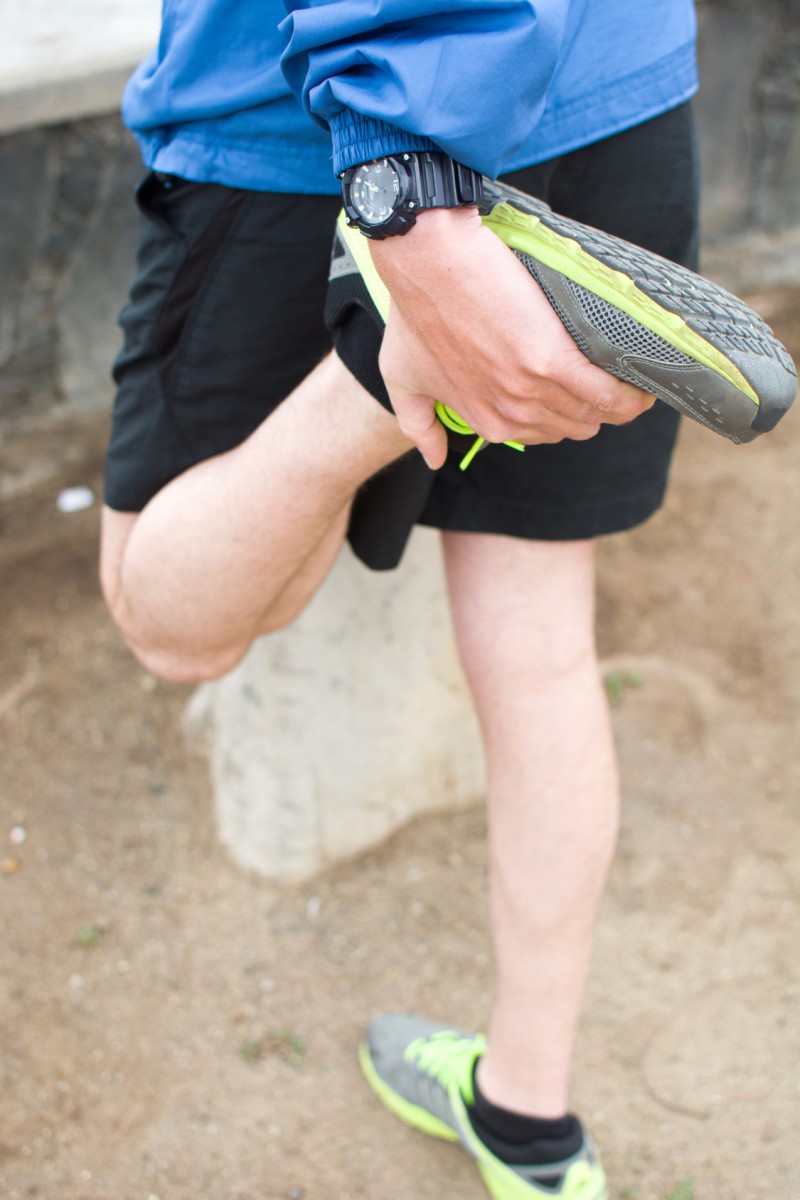
Stand upright and raise one leg on to a stable object, such as a step. Keep that leg straight and your toes pointing straight up. Lean forward while keeping your back straight. Hold for 20-30 seconds while taking deep breaths. Repeat two to three times with each leg.

Please note that it is important that you only stretch as far as comfortable. If you are in severe pain, have undergone an operation or have a medical condition then you are advised to check with your GP if the above exercise are safe for you to practice.

Seeking further help

If you are suffering with sciatica and would like to know how Fit n Well can help you or if would like to book an appointment please phone Maria on 07977 427644 or email us using the link below.

Contact Fit n Well, Stone, Staffordshire ( click link)

When to see your GP

You should see your GP if your symptoms are severe or persistent, or are getting worse over time. You should immediately call 999 for an ambulance if you experience loss of sensation between your legs and around your buttocks and/or loss of bladder or bowel control as this may be caused by a more serious condition.

Fit n Well Easter Competition

Easter competition. Fit n Well, Stone, Staffordshire

Your chance to win a relaxing back massage this Easter.

To take part in this fabulous competition all you need to do is make sure you have liked us on Facebook (if you haven’t done so already) and share this post. When you have done that, simply go to the contact us page (link) on the Fit n Well website and send us your name and contact number.

All entries will be put into a draw this Easter Sunday 5th April 2015 and the winner will be announced the same day.

Good luck … it could be you!

Visit the Fit n Well website to browse our fantastic range of treatments and therapies.

Food To Fight Chronic Inflammation

Food to fightchronic inflammation.

Food to help reduce and prevent chronic inflammation.

Inflammation is one of the body’s natural immune responses to injury, irritation and infection and without it we can’t heal.  Acute inflammation occurs immediately after an injury to protect the body and control infection. Later stages of inflammation work to re-grow damaged tissue and start the healing process. Chronic inflammation is an over-response which can last from months to years and when it’s out of control it can lead to further damage to the body, cause you pain, stiffness and swelling from lingering injuries and conditions.

Chronic inflammation can have a knock on effect on your daily activities and seriously hamper your normal training and fitness regimes.  

It is worth bearing in mind that in certain cases chronic inflammation in the body can be linked to heart disease, cancer, asthma, arthritis, Alzheimer’s disease and type 2 diabetes.  Keeping the inflammatory levels low in your body can help lower your risk of developing these illnesses.

Coupled with other treatments and therapies there are powerful natural steps that you can take to help fight chronic inflammation. By making changes to your regular diet you can help to control the inflammatory levels in your body. There are plenty of foods that help fight inflammation but first we must look at the foods we need to cut back on.

Foods that can promote chronic inflammation

There are specific food groups that can increase inflammation levels in your body so be sure to check the packaging on all processed foods and aim to cut down on the following:

Saturated fats

These are mainly found in and from animal products, palm oil and coconut oil. Swap for small amounts of unsaturated fats (monounsaturated and polyunsaturated). Saturated fats can promote inflammation and cause over activity of the immune system. This can lead to joint pain, fatigue and damage blood vessels.

Trans fats

Trans fats and partially hydrogenated fats or oils are found in various types of processed foods, fried foods, some baked foods and margarine. Many food manufacturers have removed trans fats from their products, but be sure to check.

Omega-6 fats – Although we need this for normal growth and development. The body needs a healthy balance between omega-6 and omega-3 fatty acids. Over consumption of omega-6  fatty acids promotes inflammation. These can be found in corn, soybean oil, safflower, sunflower oils, mayonnaise and many salad dressings.

Simple and refined carbohydrates

Foods that are high in sugar (simple carbohydrates) can trigger the release of inflammatory messengers called cytokines. Look out for the sweeteners especially those ending in “ose” e.g. fructose or sucrose.  Avoid sugary drinks as these can spike up your blood sugar levels. Foods high in refined carbohydrates are found in sugary foods such as fruit juices, sodas, cakes, biscuits, most cereals, crackers, bread, white rice, jams and many more (read the ingredients).

Foods that are high in natural ant-inflammatory properties

The following foods are believed to help fight inflammation:

Green Tea

Apart from green tea being a great antioxidant, its high content of catechins help to ward off inflammation.  It also contains other properties that are believed to help lower cholesterol and lower your risk of certain cancers and cardiovascular diseases.  Some people find green tea a little bitter and add lemon juice to zap it up.

Oily Fish

For protein try switching your red meat for fatty oily fish.  Salmon, tuna, sardines, mackerel and anchovy contain high contents of omega -3 essential fatty acids and vitamin D which helps to reduce inflammation.  Omega-3 is also good for helping to lower blood cholesterol and reduce the risk of heart disease.

Brightly Coloured Fruit and Vegetables

Fresh fruit and vegetables are best for their nutritional value. Brightly coloured fruit and vegetables are loaded with natural plant chemicals called phytochemicals that can prevent and even reverse the inflammatory process.  Generally fruits and vegetables are high in antioxidants such as flavonoids, carotenoids and vitamins A, C and E. Foods high in these antioxidants and enzymes help to reduce inflammation. Frozen vegetables are ok but avoid the tinned products.

Hot picks for fruit are pineapple which is packed with an enzyme called Bromelain which breaks down bad proteins which cause inflammation. Apricots, papaya, pomegranates, red grapes, berries are all rich in enzymes and flavonoids which also help fight inflammation.

Tart Cherries

The tart Cherry (believed to be a wonder fruit) delivers a unique powerful dose of anti-inflammatory compounds. They contain high levels of anthocyanins which can help to reduce pain from arthritis and post-exercise soreness. Try tart dried cherries and tart cherry juice.

Hot picks for vegetables are leafy greens such as and kale and spinach which have high concentrations of vitamins, calcium and iron which can all help fight inflammation. Red onions and garlic contain the phytonutrient quercetin and the compound allicin. Other vegetables recommended are broccoli, green beans, asparagus, tomatoes, beetroot, red cabbage, peppers, sprouts and sweet potato.

Olive Oil

A healthy alternative to vegetable oil which is great for cooking with and dressing salads. Olive oil is rich in beneficial monounsaturated fat which is good for your heart.  It is filled with potent anti-inflammatory chemicals from the olive. The omega-9 fatty acid and olive polyphenols reduce inflammation in cells and joints by lowering blood levels of the C-reactive protein (marker for determining inflammation in the body).

Fresh or Dry Ginger and Turmeric

These are very powerful spices that are widely used for both culinary and medicinal purposes.

Ginger is often used for its potent power to upgrade and boost the quality of your food.  It is a good antioxidant and contains a powerful anti- inflammatory chemical.

Turmeric is an old Indian spice with a powerful medicinal compound called Curcumin. It has anti-tumour, anti-arthritis as well as anti-inflammatory properties. It protects the liver from toxins and kills numerous bacteria and yeasts.  Add to curries, rice, beans and sauces.

Other tips to reduce chronic inflammation

  • If you can’t resist a chocolate treat then go for dark chocolate as it contains flavonoids which can help reduce inflammation or bakers chocolate because it contains less sugar.
  • Drink plenty of water to avoid dehydration and flush inflammation causing toxins out of your body.
  • Avoid excess alcohol and smoking.
  • Take regular exercise.
  • Manage and reduce stress levels.

Please note that this information is for general guidance only and It is advised that you speak to your doctor if you are concerned about chronic inflammation and have any food allergies or intolerances.

Special Offer on Hot Stones Massage

Special Offer on Hot Stones Massage

Get ready for spring and enjoy £10 off a Hot Stones Massage.

Pay only £35 instead of the normal price of £45

Treatment lasts for 1hr 15 minutes.

Click here to read more about our Hot Stones Massage

Gift vouchers available for this offer.

To take advantage of this special offer or for any further information please call Maria on 07977 427644

or email Fit n Well, Stone, Staffordshire

Offer ends March 19th 2015.


Make someone feel special this Valentine’s Day

Fit n Well - Holistic Gift Vouchers for Valentines
Fit n Well Gift Vouchers

Make someone feel special this Valentine’s Day by giving them a Holistic Therapy Gift Voucher

Visit the Holistic Therapies page to browse through our fabulous range of therapies.

Choose from:

  • Hot Stones Massage
  • Indian Head Massage
  • Hopi Ear Candle
  • Reiki Healing
  • Massage
  • Sports Massage
  • A general voucher for the recipients own choice.

To purchase a Fit n Well Gift Voucher and for any further information please phone Maria on 07977 427644 or email (link below).

Contact Fit n Well, Stone, Staffordshire.

Top 5 Tips For Managing Back Pain

Fit n Well - Top 5 Tips for Managing Back Pain

Back pain is a common complaint that most of us will experience at some point in our lives. It is the leading cause of long-term sickness in the UK.

Why does your back hurt!

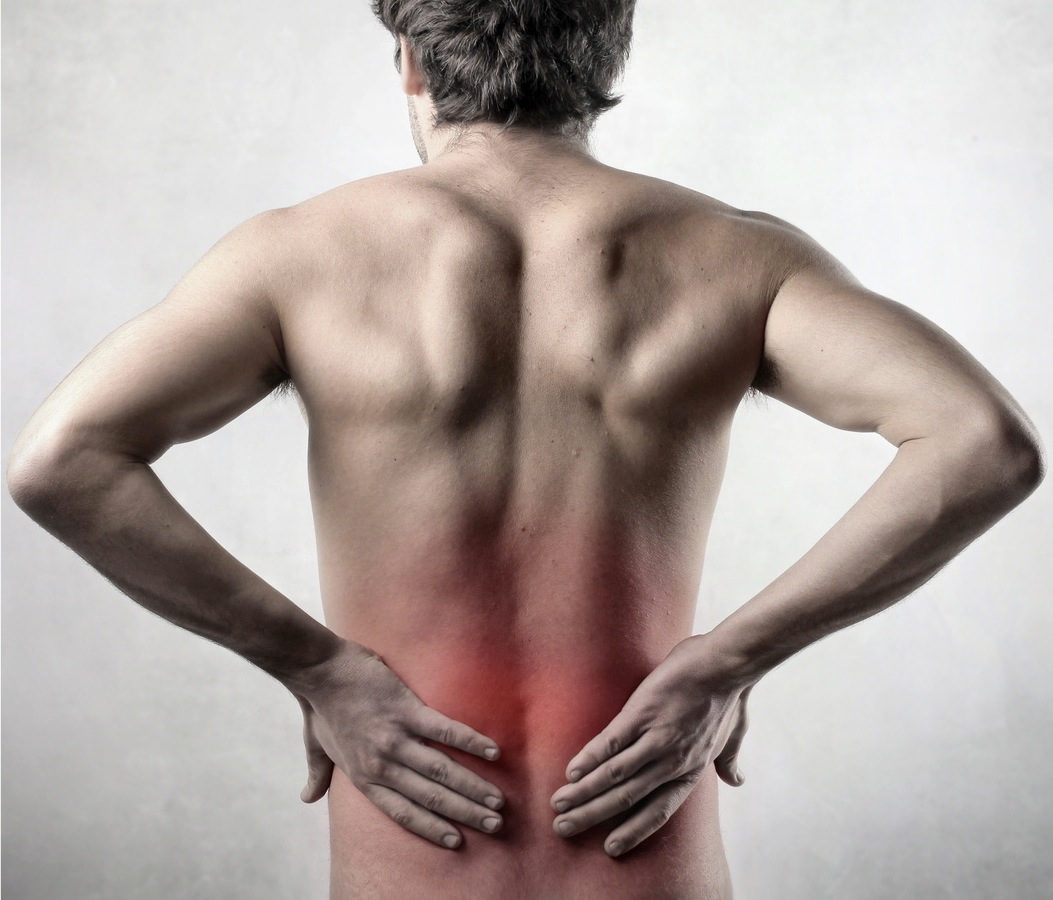
The most common causes of back pain result from strained muscles, sprained ligaments, wear and tear, bad posture and stress. Your back pain symptoms may be continuous and dull or sudden and sharp, lasting from only a few days to several weeks.

Back pain that has no serious underlying cause is often referred to as ‘non-specific back pain’. You may have sat at your desk with bad posture, your seat was too high or low, sneezed or coughed whilst your body was twisted, slept too long in an awkward position or lifted something too heavy.

Most back pain is caused by bad posture creating unbalances between your muscles and joints. Although it can be very painful, back pain isn’t serious in most cases and it’s only considered “chronic” if pain lasts longer than six weeks.

Lower back pain is more common than upper or middle back pain. This is because the vertebrae are more flexible in your lower back.  Pain that moves down the buttocks and one leg may be symptoms of sciatica or a slipped disc.

The knock on effects from back pain can lead to absence from work, missing out on your favourite sporting activity, hobby or just limit your ordinary daily activities.

The good news is that there are things you can do to manage your pain.

Top 5 Tips for Managing Back Pain

1  Cold or Heat Therapy

Cold and heat therapies are effective methods of non medicinal pain relief. The general advice is that cold therapy is used initially for acute injuries and heat for more chronic pain.

Cold Therapy

Cold therapy is ideal for the immediate and acute treatment of muscle strains, sprains and minor back injuries. Applying cold will slow down blood flow, thereby reducing inflammation, muscle spasm and pain.

An ice pack or a bag of frozen peas is ideal for use, but these should never be placed directly on the skin as this can cause cold burns.  Be sure to wrap it in a wet towel or cloth to avoid this from happening.

If possible apply cold therapy within 5-10 minutes of injury for between 15 and 20 minutes.

Heat therapy

Heat applied to the body speeds up the local blood circulation, increasing the flow of blood, oxygen and nutrients. Heat therapy is ideal for easing and relaxing stiff muscles and it dissipates soreness in muscles and joints.

A hot water bottle wrapped in a towel, a heating pad or a wheat bag are ideal for heat therapy.  Do not apply any heat to any area for any longer than 20 minutes. Do not use on areas that are swollen, have decreased senstation, have thin skin or have undergone  radiation treatment.  Seek medical opinion before using heat therapy if you suffer from diabetes or circulatory problems.

Pliable gel packs are handy as they can be used hot or cold!

For back pain that is associated with serious underlying problems please check with your GP or consultant before using hot or cold therapy.

 2 Stay active

Unless your back pain is due to a serious injury, an operation or any other serious underlying cause, it is recommended that you stay as active as possible. Less serious back problems will resolve more quickly if you stay active.

If you take to rest and do nothing, then your pain could worsen and your natural movements become even more restricted. The trick here is to use a paced approach, rather than overdoing or underdoing it

Try to continue with daily routines and tasks that don’t cause you too much pain.  Everyone is different so it’s up to you to be sensible and not to overdo it.

Gentle exercises will help you from ceasing up further by stretching your muscles and tendons.  If you can, take your back through controlled normal ranges of movement to prevent it from locking or causing other surrounding muscles to spasm or stiffen up.

When you are up to it try walking further. Walking is good aerobic exercise and gets blood flowing to your back muscles, which can really help them recover from injury and increase strength.

Try to go swimming; this will help with frequent backache and pain.  It is non weight bearing exercise as your body is supported by the water.

When you are fit enough why not try Yoga or Pilates, they are a great way of maintaining a healthy good posture, strength and flexibility.

3 Stay positive

Research suggests that people who manage to stay positive despite their pain tend to recover more quickly and avoid long term back pain. Why not engage yourself in some things you can do that you would normally put off when you are busy rushing around.

What about making those phone calls you need to make and have been putting off. There will be numerous things you can still do that won’t cause you further pain.

Remember that non-specific back pain will gradually subside through being positive and taking action to resolve it.

Negative thoughts, depression and anxiety make your body tense which can make your back pain worse.

Yes, you can lie there rolled in a ball or you can find something better to do!

 4 A good night’s sleep

If it is comfortable to lie on your side, draw your knees slightly towards your chest and place a firm pillow or rolled towel between your knees. This will take the pressure of your lower back and prevent your upper leg from pulling your spine out of alignment.  If you prefer to sleep on your back, place a pillow under your knees, this will help to maintain the natural lumbar curve in your back and decrease stress in your spine.

When you turn over avoid twisting at the waist, move your entire body as one unit and pull in your abdomen.

Make sure you are warm enough, not having enough covers on your bed or a sleeping in a draughty room can cause tension in muscles leading to further pain and discomfort.

A good mattress is the first building block for a good night’s sleep. A mattress that is too firm will push on those main pressure points and take you out of alignment. A soft mattress won’t support those pressure points and will allow you to sink into the mattress causing uneven stresses on your body.

A medium to firm mattress is now generally considered to be good for maintaining a healthy back but that is just general guidance and does not mean that is best for you.  It is always advisable to test a potentially correct mattress for yourself before spending your money. Remember to check the manufacturer guidelines about mattress care, for example how often you should turn it over or around.

5 Over the counter painkillers

For short-term pain relief, over-the-counter NSAIDs (non-steroidal anti-inflammatory drugs) can be taken.  Non-steroidal anti-inflammatory gels such as Ibuprofen gel are normally very effective and can be topically applied directly to the painful area.

 Make sure you speak to your pharmacist or GP to discuss what is suitable for you.

IMPORTANT

If you also have any of the following symptoms you should seek immediate medical treatment:

  • Sudden onset of acute back pain.
  • Numbness and tingling down both legs.
  • Progressive weakness in your arms or legs.
  • Loss of bowel or bladder control
  • Acute, severe stomach pain along with low back pain.
  • Have suffered a recent trauma, such as a fall or car accident.
  • Other symptoms of illness, such as fever, as well as back pain.
  • Swelling or deformity along the spine.

 Get help now!

There are many therapies and treatments that healthcare professionals and physical therapists can offer to help you manage your back pain.

Fit n Well offer the following therapies to help your back pain:

Sports Therapy Clinic (link)

  • Massage therapy
  • Ultrasound
  • Mobilisations
  • Trigger Point Therapy
  • Dry Needling (Medical Acupuncture)

Holistic Therapies (link)

  • Holistic Therapies
  • Massage
  • Hot Stones Massage
  • Reiki

To discuss your back pain problem and discover which treatments will be most beneficial for you call Maria on 07977 427644, email maria@fitnwell.co.uk or complete the contact form (link)

There’s no need to suffer in silence!